Amadun Alu ya gode EN — NGN
Sokoto destination view
Destination guide · SKO

Sokoto

Seat of the Caliphate — and our home

Sokoto State

Welcome to Sokoto.

Sokoto is the capital of Sokoto State in northwestern Nigeria and is widely known as the "Seat of the Caliphate." Founded in 1809 by Shehu Usman dan Fodio, it is one of Nigeria’s most important historical, cultural, and Islamic centres. The city serves as the administrative, educational, commercial, and religious hub of the state.

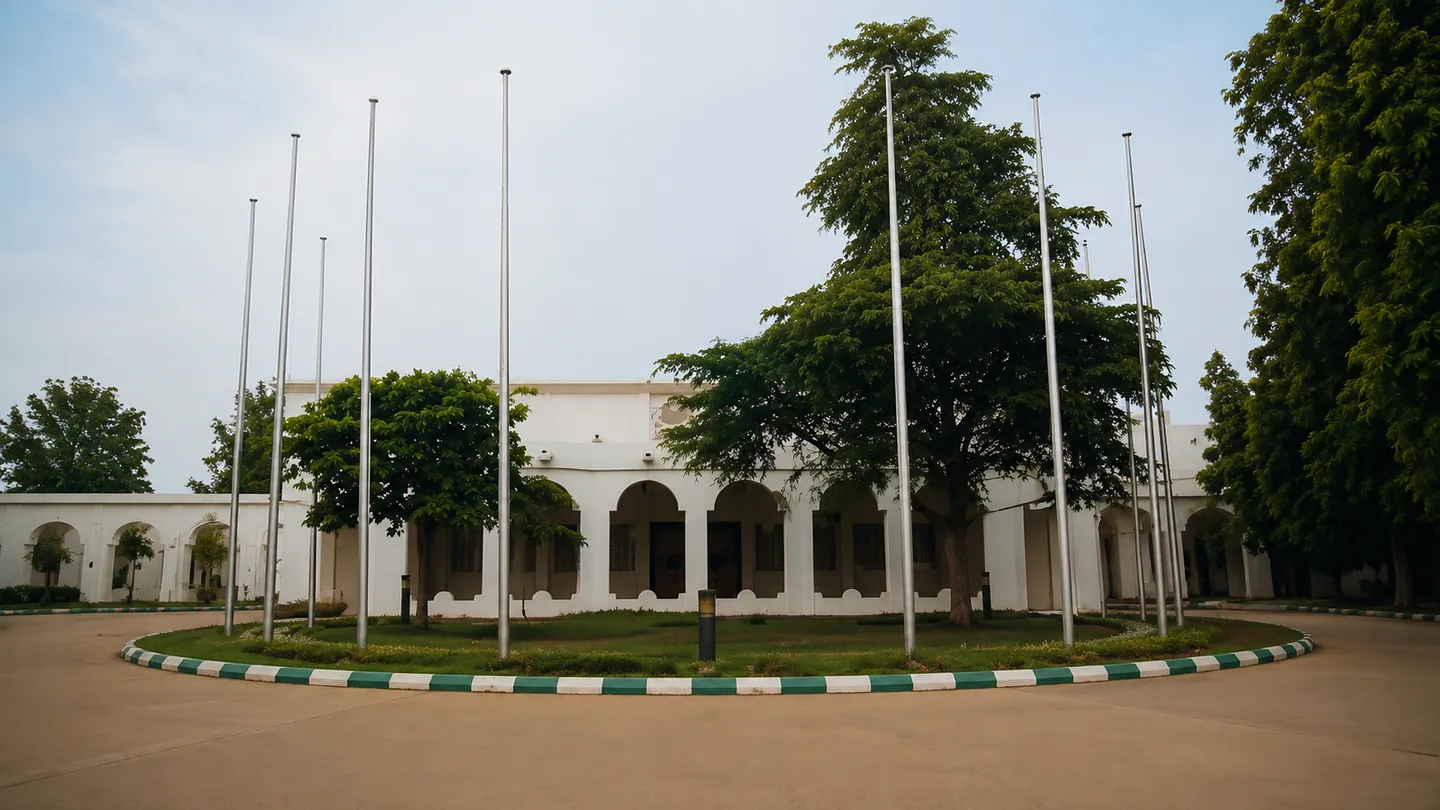
Photo direction: Sultan’s Palace forecourt, late afternoon, long shadows

Business & tourism

A city with purpose, character and reach.

Why the city matters

Sokoto is a major commercial centre in Northwestern Nigeria, with strong activities in:

  • Agriculture and agribusiness
  • Livestock trading
  • Leather and textile production
  • Retail and wholesale commerce
  • Government administration
  • Education
  • Cross-border trade with Niger Republic

Highlights across the city

  • Sultan’s Palace
  • Usman Dan Fodio Tomb
  • Waziri Junaidu History and Culture Museum
  • Shehu Usman Dan Fodio Mosque
  • Goronyo Dam (day excursion)
  • Traditional leather markets and craft centres
Airport guide

Sultan Abubakar III International Airport

CodesSKO (IATA) / DNSO (ICAO)
TerminalsDomestic Terminal — international and Hajj operations seasonally
AddressAirport Road, Sokoto 852101, Sokoto State
City transferApproximately 10 km from the city centre — 15–20 minutes by road.

Facilities

  • Passenger terminal
  • Airline check-in counters
  • Arrival and departure lounges
  • VIP lounge
  • Parking area
  • Car hire and taxi services
  • Restaurants and snack outlets
  • Prayer facilities
  • Security screening
  • ATMs
  • Baggage handling services
Plan your visit

Know Sokoto before you land.

Best time to visit

November to February is the most comfortable period, with cooler Harmattan weather. The rainy season (June–September) brings greener scenery, while March–May is extremely hot.

Climate

Hot semi-arid (Sahel) climate. Dry season October–May, rainy season June–September. Average annual temperature around 28°C; peaks can exceed 40°C in March and April.

Languages
  • Hausa (most widely spoken)
  • English (official)
  • Fulfulde
  • Arabic (mainly for Islamic and religious studies)
Local customs
  • Dress modestly, especially when visiting religious or traditional sites.
  • Respect Islamic prayer times and local traditions.
  • Ask permission before photographing people or sensitive locations.
  • Greeting elders respectfully is an important cultural practice.
Where to shop
  • Sokoto Central Market
  • Kasuwa Tsohuwa (Old Market)
  • Maryam Abacha Shopping Complex
  • Danbu Stores
  • Local leather and traditional craft markets
Where to eat
  • Albishir Restaurant
  • Davkem Restaurant and Bakery
  • Tasty Treat Fast Food
  • Six20 Restaurant
  • Local suya and traditional Hausa food spots
Where to stay
  • Dankani Guest Palace
  • Karma Guest Inn
  • Shukura Coral Hotel
  • Sokoto Guest Inn
  • Pinnacle Guest Inn & Resort
Things to do

See more of Sokoto.
Sultan’s Palace
Attraction 01

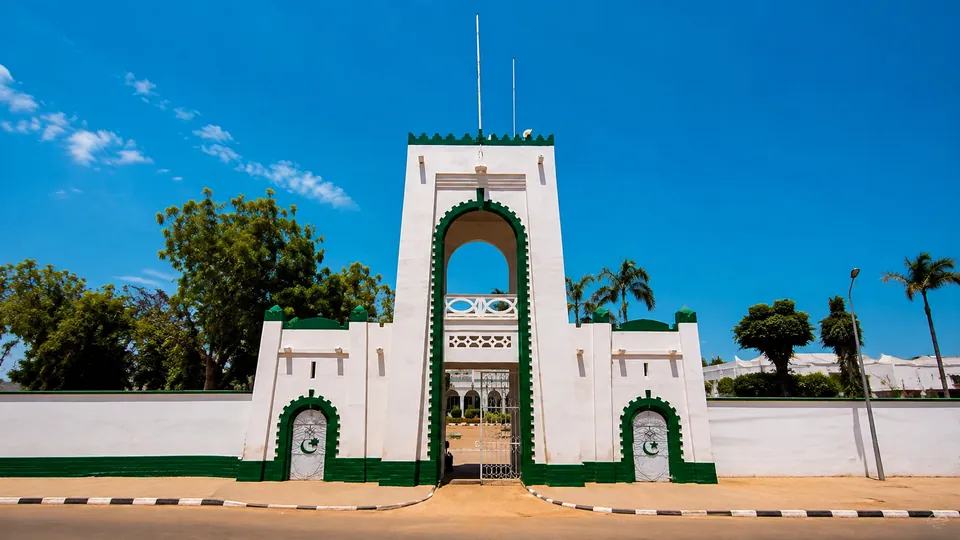
Sultan’s Palace

The official residence of the Sultan of Sokoto, the spiritual leader of Muslims in Nigeria. The palace is one of the city’s most important cultural and historical landmarks, showcasing traditional Hausa-Fulani architecture and serving as the centre of the Sokoto Caliphate’s heritage.

Address
Sultan Bello Way, Sokoto, Sokoto State
Entry
Free — seek permission before entering certain sections
Hours
Daylight hours, approximately 8:00 AM – 6:00 PM
Best time
November – February
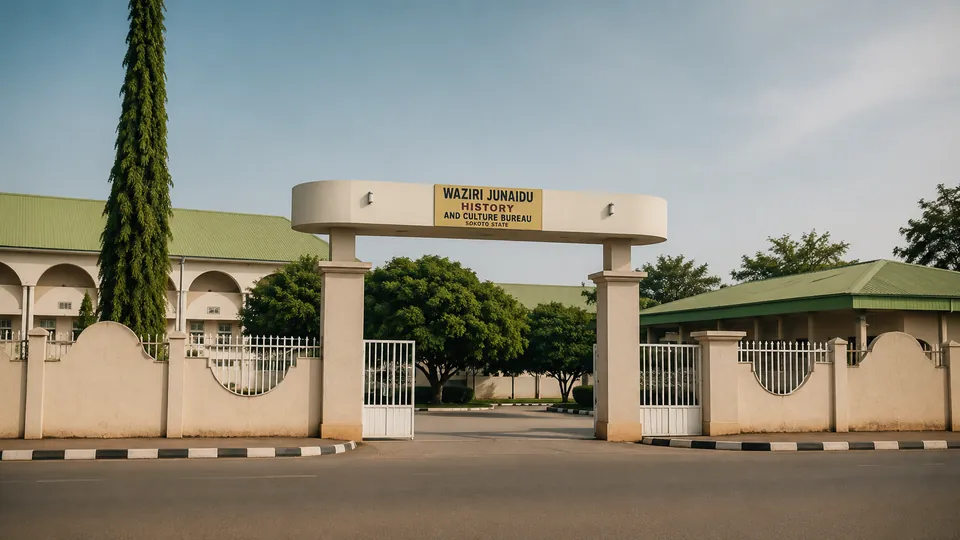
Waziri Junaidu History & Culture Bureau
Attraction 02

Waziri Junaidu History & Culture Bureau

One of Nigeria’s finest historical museums, preserving over 500,000 manuscripts, artifacts, photographs, and cultural collections from the Sokoto Caliphate. It offers visitors a deep insight into the history, traditions, and Islamic scholarship of Northern Nigeria.

Address
Unguwa Rogo Area, Mabera, Sokoto 840283
Entry
Free admission
Hours
Mon–Fri and Sun 9:00 AM – 5:00 PM; closed Saturday
Best time
Year-round, especially November – February

Visitor hours, fees and local access conditions may change. Confirm with the venue before travel.